😱 My child was playing in the water when I noticed waves that looked like a chessboard. We were told to get him out immediately. When we found out why, we were shocked.
😲 We were on vacation at the seaside. My husband and I were sitting on the sand, enjoying the sun, and our son was swimming near the shore. Everything seemed peaceful, until another tourist suddenly stood up, ran toward the water, and swam directly toward our child, yelling at him to get out immediately. We froze in fear, thinking he wanted to hurt him.
As my husband and I rushed over, the stranger had already grabbed our son and was pulling him toward the shore. We didn’t understand anything and I was ready to attack him to save my child. But when we found out the real reason, our fear and anger turned into deep gratitude.
If you’ve never paid attention to waves that look like a chessboard, read this story. It might save your life and protect your family.
👇 Full story in the first comment 👇
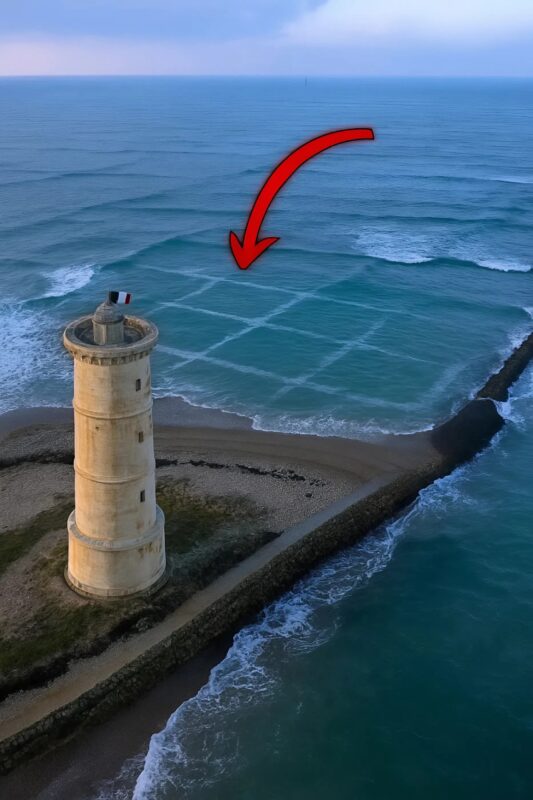
At first glance, square waves — or cross seas — may appear as a fascinating natural phenomenon.
The water’s surface looks like a chessboard and can be quite spectacular. But behind this beauty lies a serious danger.
If you ever see such a pattern, get out of the water immediately. Here’s why:
Square waves form when two different wave systems meet at a 90-degree angle.
Instead of parallel waves, intersecting crests create a grid-like pattern.
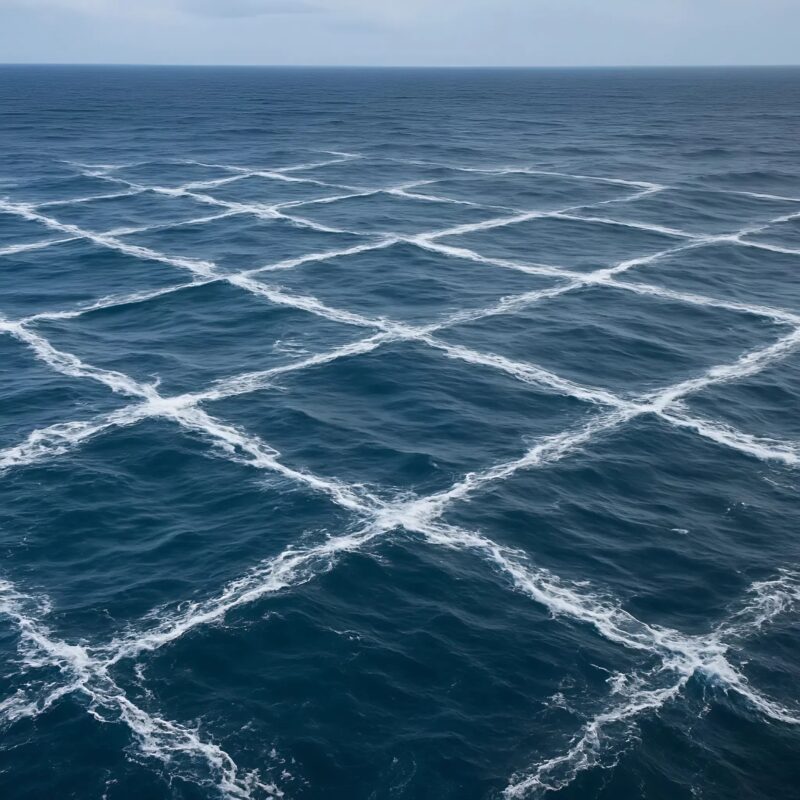
This happens in coastal regions where ocean currents or atmospheric fronts collide. Although easiest to observe from above, they can sometimes be seen from shore.
The danger lies in the powerful underwater turbulence. The crossing waves generate chaotic currents that can pull swimmers under or capsize small boats.
People can easily lose balance, be dragged under, or carried out to sea. Divers and surfers are particularly at risk.
Even if the surface appears calm, dangerous invisible forces may lurk beneath.
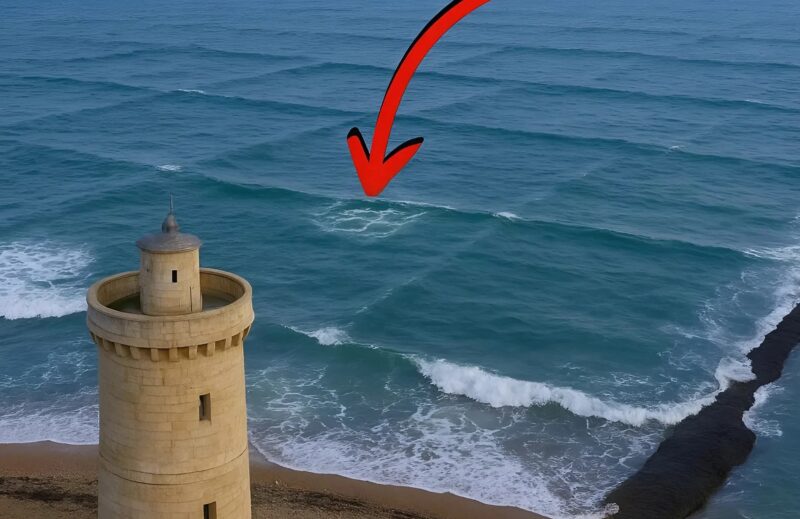
Sailors know that such waves can overturn boats without warning. Pressure coming from multiple directions can lead to disasters, even in good weather.
One of the most well-known places to witness this is Île de Ré, off the coast of France, where Atlantic waves meet those of the Bay of Biscay.
If you see this pattern, get out of the water immediately and warn others. Even if the waves subside, underwater currents may persist.
Do not return to the water until authorities confirm it is safe. Nature sends us warnings — we just have to learn how to read them.