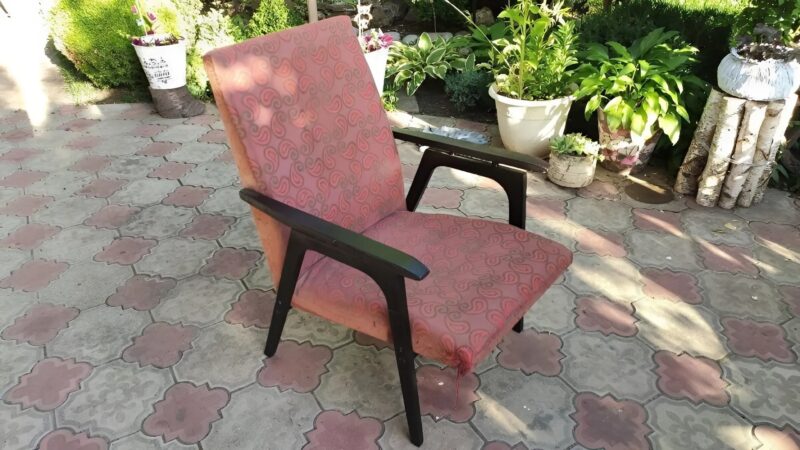
The Overlooked Chair That Became the Room’s Highlight—Here’s How We Transformed It
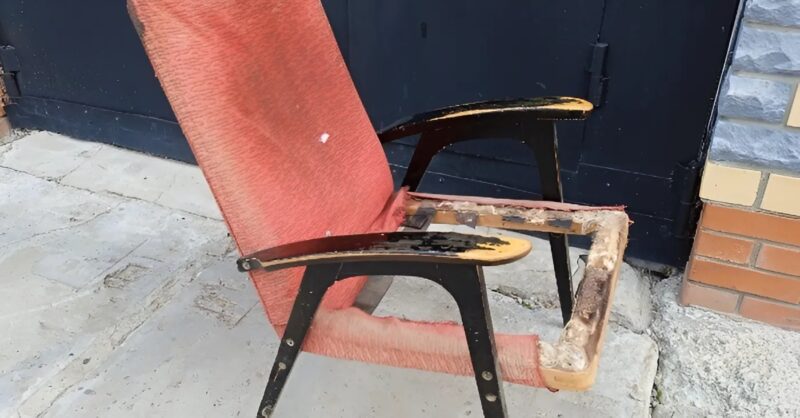
😲 Furniture from past decades was built to last. Many families still cherish pieces from the ’70s and ’80s—sometimes even older—that have withstood the test of time. My mother-in-law had two such chairs. 🧐👇
☺️ I had already restored one, but instead of using it daily, she placed it in the hallway like a museum exhibit. Meanwhile, she continued using the worn-out twin while watching TV. 🥰
Determined to give her both comfort and style, we decided to refurbish the second chair. 👇
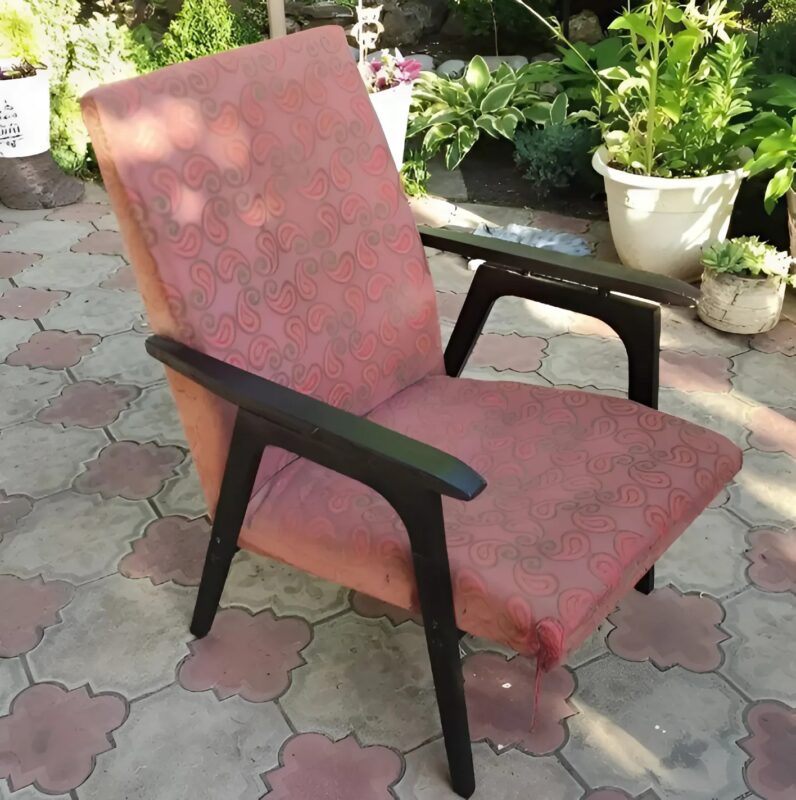
These chairs were designed with both elegance and durability in mind. Lightweight yet sturdy, they were crafted for long-term use.
Even today, older generations often refuse to part with such furniture. While the frames remain strong, the upholstery tends to fade and wear out, making them appear outdated.
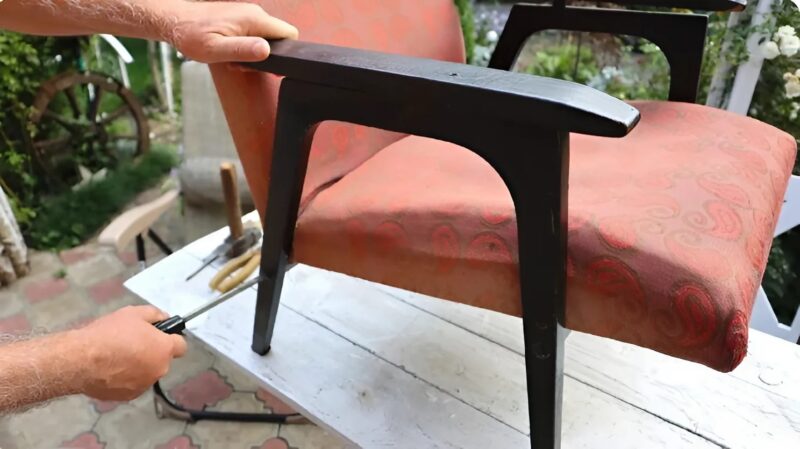
However, with a bit of effort, they can be transformed into something stunning.
Since my mother-in-law still had both chairs, I knew she would appreciate an upgrade. Once the second chair was restored, she wouldn’t have to choose between aesthetics and functionality anymore.
Taking the chair apart was no easy task. The upholstery was tightly secured with glue and heavy-duty steel nails—a true mark of Soviet-era craftsmanship, built not just for decades but for generations.
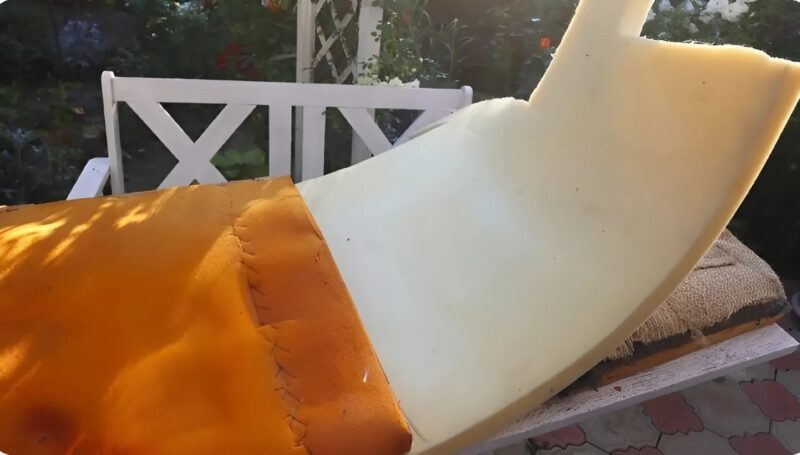
We removed the seat, which was held in place by six bolts, and carefully extracted the cushioning. The cushion was anchored with three large nails, making it clear that quick repairs were never the original intention.
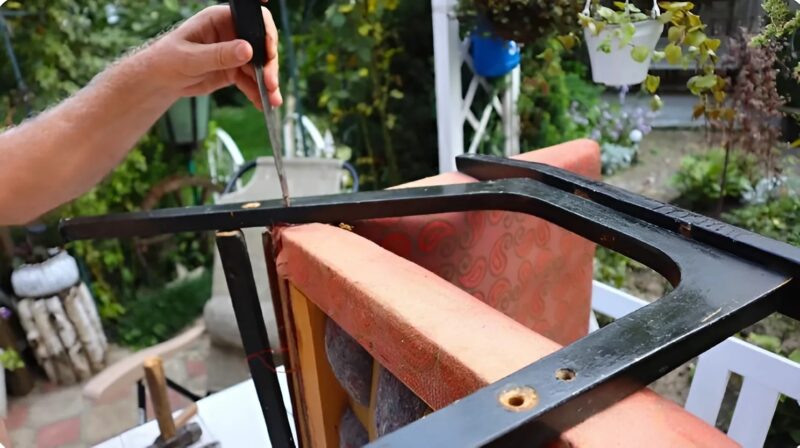
Surprisingly, the foam padding was still intact—not crumbling, just slightly compressed and yellowed with age.
Rather than replacing it entirely, we added a fresh 4 cm layer of new foam on top, enhancing comfort while maintaining the original structure.
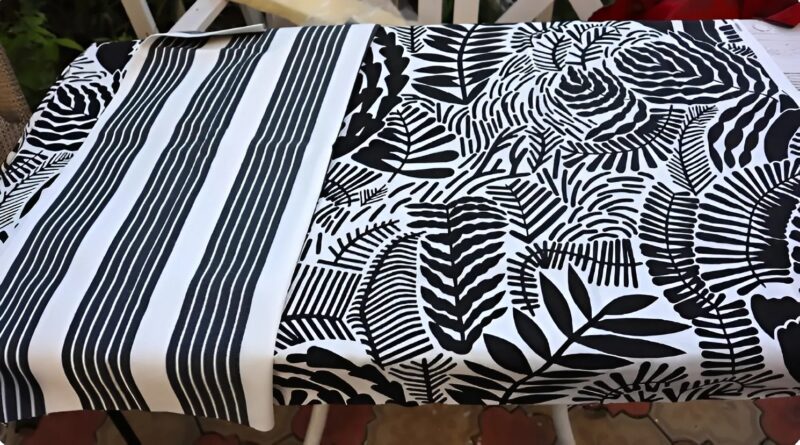
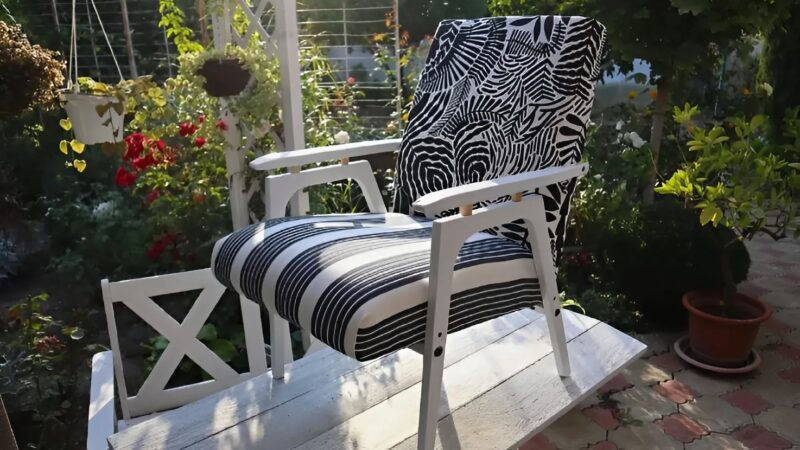
For the upholstery, we selected a vibrant 80 cm by 80 cm fabric with a modern pattern to give the chair a fresh, contemporary feel.
The armrests, which were once painted black, had faded and accumulated visible marks. To refresh their look, I sanded down the imperfections and opted for a bold transformation—painting them crisp white to contrast beautifully with the colorful upholstery.
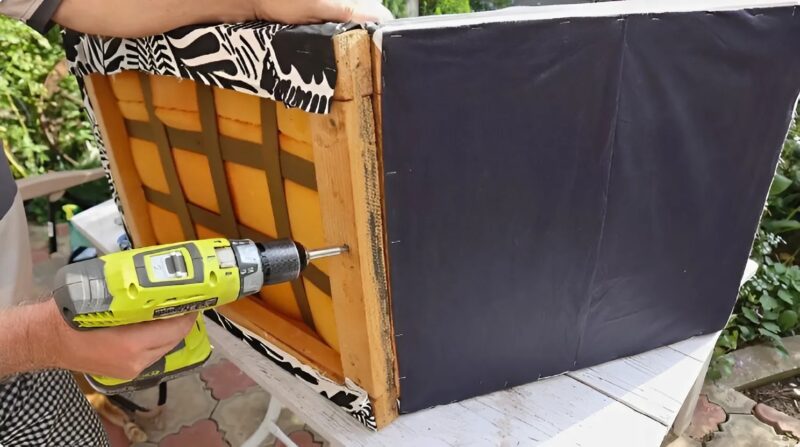
Using the old fabric as a guide, we cut the new material to size and secured it in place with a staple gun. The chair’s frame, made from dense hardwood—likely maple—added to its lasting durability.
Reassembling the chair was surprisingly smooth. Instead of the original nails, we used three long screws, making future repairs much easier. We carefully stretched the fabric to eliminate wrinkles and reattached the seat to the frame.
When we presented the refurbished chair to my mother-in-law, she was speechless. It took her a moment to realize that this stylish, modern chair was actually the same one she had used for years.
She ran her hand over the smooth white armrests and the vibrant fabric, hardly believing her eyes.
Now, both chairs proudly sit in her living room—not as outdated relics, but as beautifully refreshed, functional centerpieces. And this time, she actually enjoys using them.
Restoring vintage furniture is more than just an aesthetic improvement. It’s about preserving memories while giving them a fresh new chapter.
With a little creativity and effort, even the most worn-out pieces can become extraordinary once again.