My grandfather always warned me not to touch his bed – after he passed away I finally looked underneath.
My grandfather died, and the only thing he bequeathed to me in his testament was an old property. Now that he was no longer around, that house was all I had left of him. I longed for the times he was still here…
That home was filled with countless memories. After losing my parents in a tragic car crash when I was just four, Grandpa became my entire world — he took on the role of both a parent and my closest companion. He knew me better than anyone, and I cherished every second we shared.
As I roamed the halls, immersed in nostalgia, something suddenly came to mind. “Grandpa’s bed!” I had always wondered why he never allowed anyone to go near it. What was he keeping hidden?
Curiosity overtook me, and I lifted the mattress. To my astonishment, an aged envelope was tucked beneath. My heart pounded as I opened it to discover a journal, a few vintage photos, and some weathered newspaper articles.
I opened the journal, and as I read the opening lines, my heart nearly stopped.
“Oh my God!” 👇
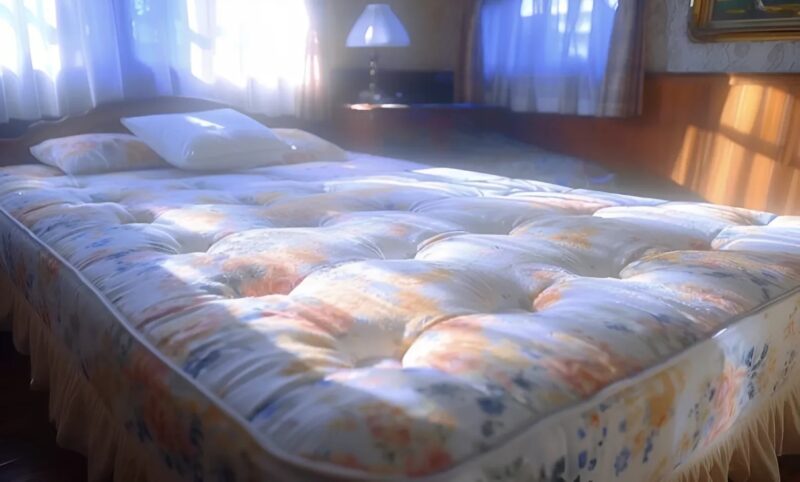
Brooke lingered at the entrance of her grandfather’s bedroom, the air heavy with the scent of tobacco and the faint trace of Aqua Velva that still clung to the fabric of his life. The room hadn’t changed much since her childhood—wooden furniture, shelves lined with old books, and memories in every corner.
She was alone now. Her parents had died in a car accident when she was just eight, and now Granddad Charles—her last link to them—was gone too.
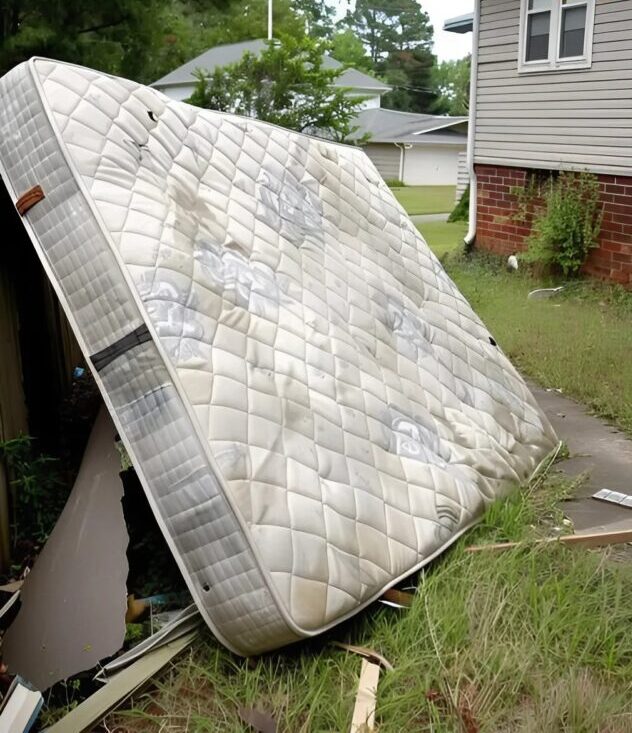
As she began sorting through his belongings, Brooke recalled how protective he’d always been of his bed. “Don’t ever touch that mattress,” he would bark, half-joking but entirely serious. “Some secrets should stay hidden.”
But with Granddad gone, curiosity overruled caution. Brooke gently lifted a corner of the mattress, expecting maybe old letters or cash. Instead, she discovered a worn leather journal, some crumpled clippings, and aged photographs.
Confused, she sat down and began reading. The contents shocked her.
Her grandfather had secretly investigated her parents’ death. According to his notes, their accident had been no accident at all. The driver who hit them had been intoxicated—and the police had not only let him go but covered it up. The driver? A member of one of the town’s most powerful families: the Johnsons.
Granddad had spent years collecting proof—witness statements, documents, and police reports that all pointed toward a conspiracy. As a former officer himself, he’d seen corruption firsthand. But no one had listened.
Brooke felt a fire ignite inside her. She could no longer accept the sanitized version of her parents’ demise.
The next morning, driven by anger and resolve, Brooke marched into the local newspaper office with her grandfather’s file in hand. She asked to see an editor and was soon seated across from Frank, a weathered journalist who’d seen more false alarms than real stories.
“You’d better have something worth my time,” he said skeptically.
She laid out the documents and explained everything. As she spoke, Frank’s expression shifted. By the end, he leaned in, voice low. “This is huge. Are you absolutely sure you want this going public? Once it’s out there, there’s no turning back.”
Brooke didn’t flinch. “I’ve lived with unanswered questions for most of my life. Now I have answers, and I won’t keep them buried.”
The story made front-page headlines within a week. Public outcry followed. Social media exploded as Brooke’s post went viral: “My parents didn’t die in an accident. They were silenced by privilege and protected by corruption. I won’t let them be forgotten.”
As momentum built, citizens rallied behind her. Protests erupted in front of the police station and the Johnson estate. Under pressure, the authorities reopened the case.
Eventually, Officer Parker—the man who’d led the original investigation—cracked under questioning. At a press conference, he admitted to burying evidence under pressure from the Johnson family.
“They told us to make it disappear,” he said, his voice hollow.
The revelations shook the town. Long-trusted officials were suspended. Other families came forward with their own stories of cover-ups, adding fuel to the fire.
When the trial against Mr. Johnson was finally announced, media swarmed the courthouse. Brooke attended each day, her presence a symbol of resilience. She testified, recounting not only the loss of her parents but also the tireless search for truth that her grandfather had begun.
“The pain of losing them never went away,” she said on the stand. “But discovering they were denied justice made that pain unbearable. My grandfather never gave up. Neither will I.”
The prosecution, bolstered by Granddad Charles’s meticulous notes, presented an airtight case. Johnson’s legal team offered a settlement to avoid further disgrace, but Brooke refused.
“No amount of money can undo what was taken from me.”
In a tense courtroom, the jury returned its verdict: “Guilty.”
The sentence brought tears to Brooke’s eyes—not just from relief, but from pride. Her grandfather had been right, and together, they had made the truth known.
In the aftermath, the town implemented sweeping reforms. Corrupt officers were dismissed, and new checks were introduced to prevent abuse of power. Brooke became a local hero—not because she sought it, but because she fought for justice when no one else would.
And now, she looked ahead—not just to healing, but to helping others uncover the truths they deserved.