I stood motionless behind the front door, holding a still-warm plum pie in my hands and listening as my daughter spoke about me as if I were a problem to her. I stayed silent, but a moment later she came back and said something that made me freeze in place, unable to believe what I had just heard.😨😨
I had baked Lucia’s favorite pie. Just like many years ago, when she used to come home from school, throw her backpack against the wall, and run straight to the kitchen to see what had just come out of the oven.
I was about to open the door when I heard her voice.
She was speaking on the phone calmly, almost indifferently:
— No, everything’s fine. It’s just that Mom is becoming… difficult. You have to explain everything to her. All the time.
Every word seemed to slowly settle on my shoulders like a heavy weight. I stood behind the door and suddenly realized that I was afraid to walk into my own home.
The plate with the pie warmed my palms, but inside me a dry cold spread — the kind of cold that doesn’t come from winter, but from other people’s words.
I only wanted to make her happy. Like before.
When I finally opened the door, Lucia lifted her head, smiled, and lightly kissed me on the cheek.
— It smells amazing.
We sat down in the kitchen. She tasted the pie and said it was perfect. I only nodded. For the first time in many years, I didn’t feel like explaining anything — neither why I had baked it nor why I had been waiting for her since early morning.
She immediately sensed the silence.
— Mom, are you okay?
— Yes, — I nodded, saying nothing more…
A week later Lucia came back with that tense expression people have before an unpleasant conversation. She didn’t even take off her coat; she only tightened the strap of her bag in her hand… and said one thing that truly left me frozen.😱😱
Continuation in the first comment.👇👇👇

She took a deep breath, as if gathering courage, and said quietly but firmly:
— Mom, I think… it would be better if you moved to a place where someone could take care of you.
For a few seconds I looked at her without immediately understanding the meaning of those words. The room was quiet; only the kettle on the stove made a faint click as it switched off. Suddenly I realized I was holding the cup too tightly, as if it could keep me from falling.
— Take care of me? — I asked calmly.
Lucia began speaking quickly, as if she had prepared this speech long ago.
She said the conditions there were good, that she had too much work right now, and that she was constantly worried about me. She spoke about comfort, about doctors, about safety. The words sounded correct, careful, almost caring.
But behind them I heard something completely different.
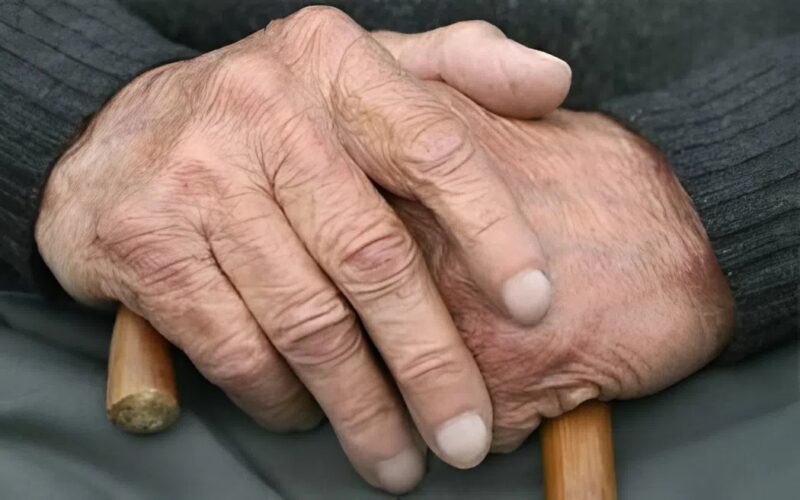
Convenience.
I slowly placed the cup on the table and looked at her as carefully as I used to when she was little and tried to hide a broken vase or a bad grade from me.
— Lucia, — I said quietly, — do you really think I have become a problem for you?
She was confused. For a moment, that same expression of a little girl appeared in her eyes — the one who suddenly realizes she has gone too far.
And in that moment, I felt a strange calm.
I didn’t argue. I didn’t justify myself. I simply said that I would think about it.
That night I sat by the window for a long time and suddenly understood one simple thing very clearly: old age does not begin when it becomes hard to walk or when your back starts to hurt.
Real old age begins at the moment when your own children start talking about your life as if it were already over.