🧐Have you ever wondered how train toilets can still be connected directly to the tracks—yet the tracks look surprisingly clean?
😵💫 Trains are widely appreciated for their convenience and efficiency, but the way their toilets function has long been a curious and slightly unsettling topic for passengers.👇
🚽If waste is being released onto the tracks, why do they often appear surprisingly clean?🤔 That’s due to several factors․․․ Continue in the comment 👇
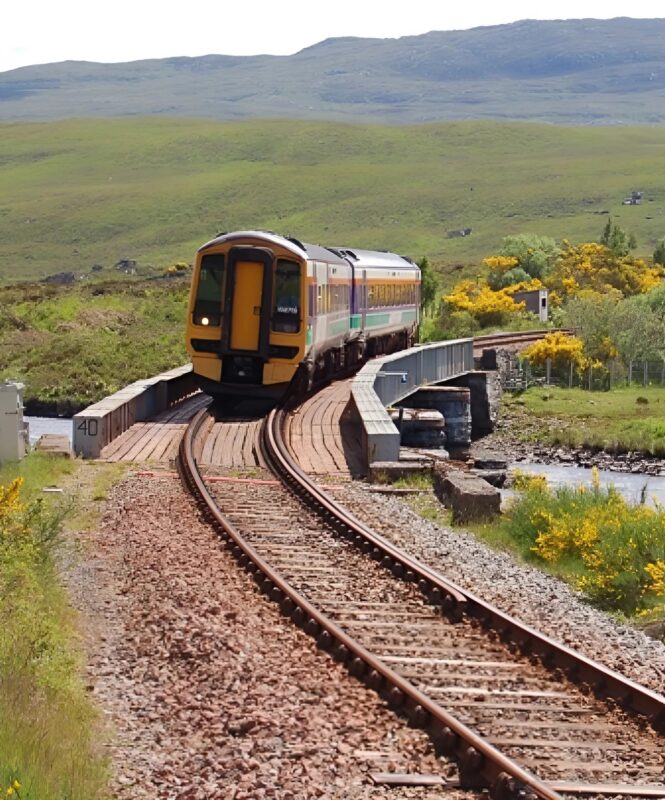
To answer those concerns, it’s helpful to understand how and why this method came into use. Older trains adopted the “direct discharge” system not out of carelessness, but out of practicality.
When trains are moving at high speed, dropping waste onto the tracks reduced the risk of odors building up inside the carriages or toilets overflowing due to limited space.
Since the waste was being released in motion and in open areas, it was thought to disperse quickly and not linger long enough to cause environmental harm.
That still doesn’t explain why tracks often look so clean. The answer lies in a mix of human effort, natural forces, and evolving technology. First, regular maintenance is key.
Rail companies dedicate significant resources to inspecting and cleaning tracks to ensure they remain safe and sanitary.
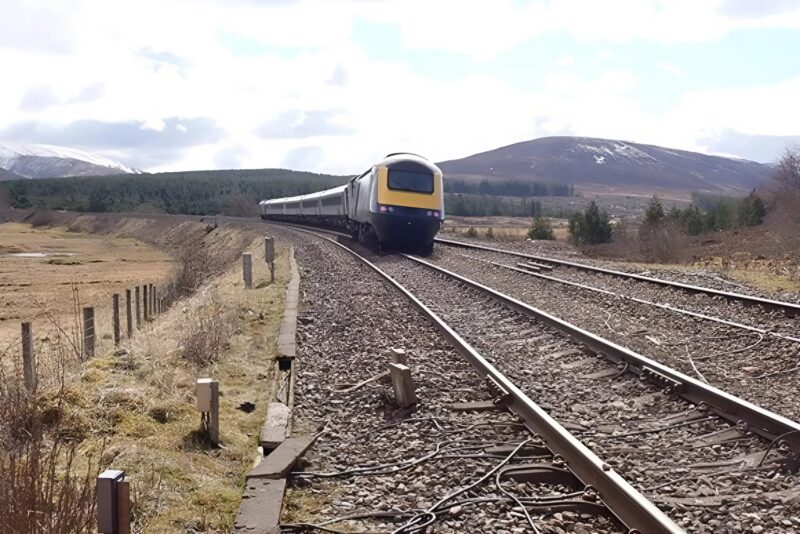
Then there’s the weather: rain naturally rinses away residue, and wind can spread it out, reducing any visual buildup or smell. In short, nature does some of the cleaning for us.
But it doesn’t stop there. In recent years, the train industry has started moving toward more advanced, environmentally friendly solutions.
Many newer trains are now equipped with sealed toilet systems that collect waste in secure tanks. These tanks are then emptied at designated facilities, eliminating the need to drop waste on the tracks altogether.
This shift reflects a broader commitment to sustainability and passenger health.
With growing awareness around ecological responsibility, railway operators are also working on more innovative solutions.
Some countries are even experimenting with biological toilet systems—ones that break down waste into non-harmful byproducts right inside the train itself.
This marks a big step forward in reducing the environmental footprint of rail travel.
Social media has played a role in this evolution too. Online discussions about the “toilet-to-track” issue have brought attention to the outdated aspects of traditional systems.
While some passengers accept it as a relic of an older era, others find it unacceptable and call for better, cleaner alternatives.
Looking to the future, we can expect trains to continue improving in this area.
With greater investment in modern sanitation and environmental innovation, tomorrow’s rail journeys may offer not only smoother rides, but also a cleaner conscience.
So, while the old system of flushing waste directly onto the rails may have made sense once, it’s clear that change is on the horizon.
The goal now is to strike a healthier balance between practicality, comfort, and environmental care—one flush at a time.