🧺 If you wash your clothes at a laundromat, you should definitely know this. You can read the details in the comments👇
In many countries, a washing machine is considered an essential home appliance, but in the United States, that’s not always the case. Despite no legal restrictions preventing Americans from owning one, a significant portion of the population still chooses to use laundromats. But why?
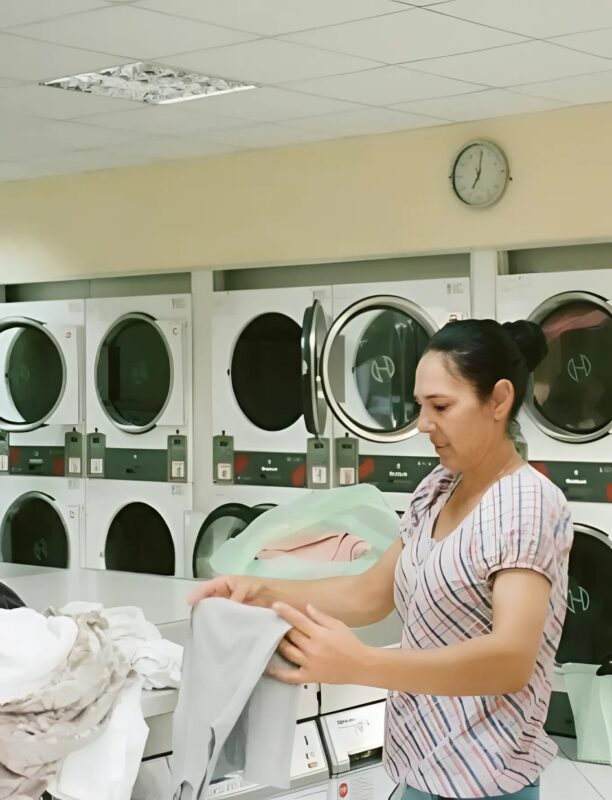
If you’ve ever seen an American movie or TV show, chances are you’ve come across scenes set in laundromats or shared laundry rooms in apartment buildings.
For many people in the U.S., this is a completely normal way to do laundry, even though having an in-home washing machine could offer more convenience.
Surprisingly, the decision to forgo a personal washing machine is often practical rather than a matter of affordability. Many renters prefer using communal facilities because it eliminates concerns about high utility bills.
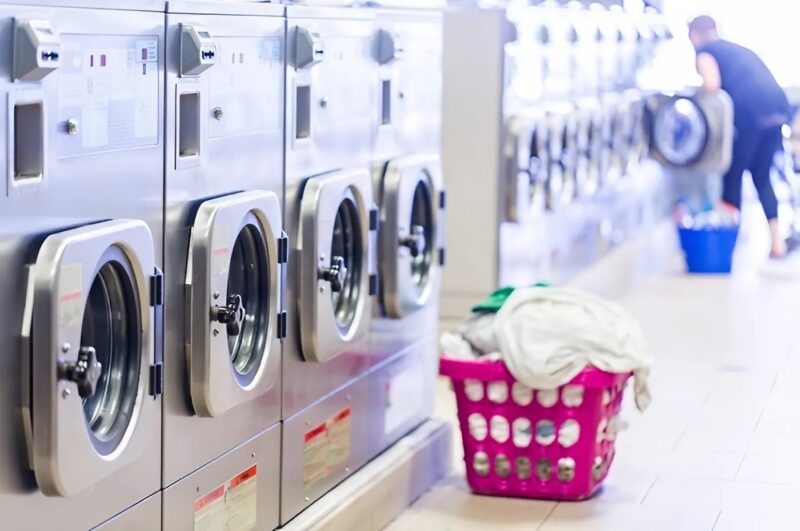
Laundromats often provide both washers and dryers, which is beneficial since dryers can be costly to purchase and operate.
Another major factor is space. Many apartments, especially in densely populated cities, simply don’t have room for a washer and dryer.
The risk of water damage is also a deterrent—if a leak occurs, tenants could be held financially responsible for any resulting property damage, making laundromats a less risky option.
Additionally, flexibility plays a crucial role. Since many Americans frequently relocate for work or personal reasons, not owning large appliances simplifies the moving process.
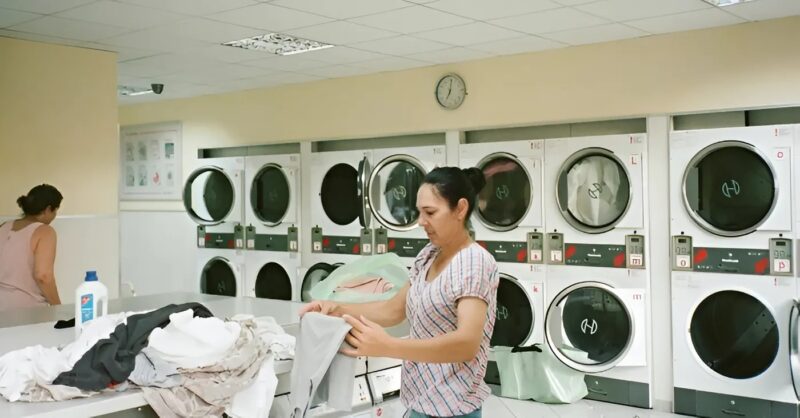
Renting an apartment with built-in laundry facilities is ideal, but not always an option, making laundromats the next best choice.
However, the trend shifts in suburban and rural areas, where homeowners typically have space for their own laundry appliances. In these regions, laundromats are far less common, and people prefer the convenience of washing clothes at home.
Ultimately, the decision to use laundromats instead of owning a washing machine in the U.S. is shaped by practicality, lifestyle preferences, and housing circumstances—not by legal or financial barriers.